
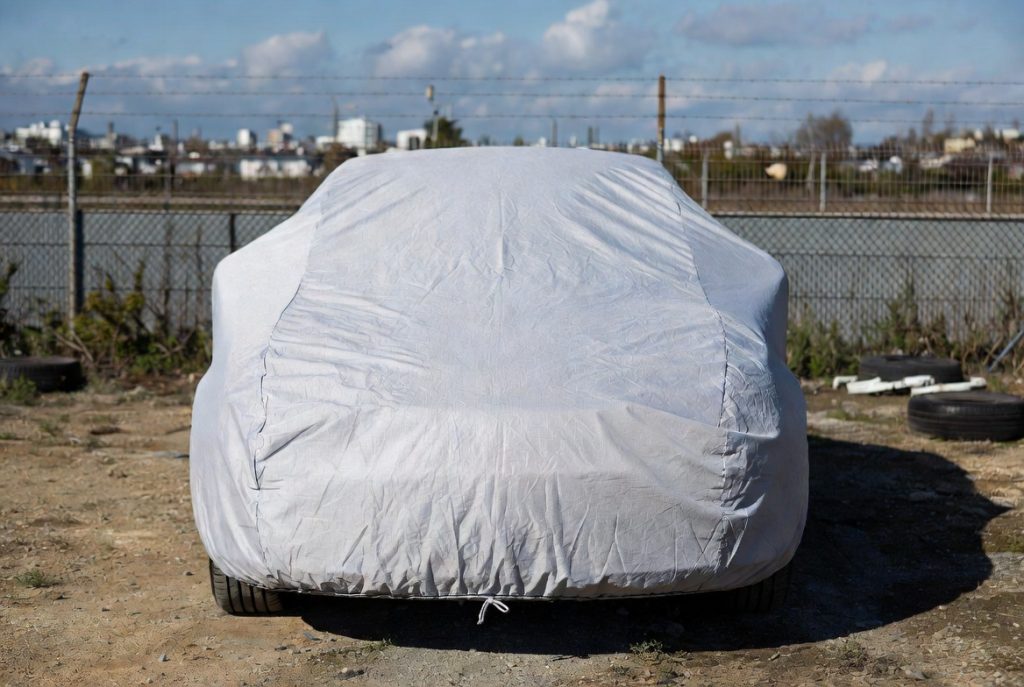
If your car is going to sit for three months or more, a storage policy keeps you protected and cheap. Below three months, full coverage usually wins. Here’s how to make the call — and how to switch without a gap.
What Storage Coverage Actually Covers
Storage insurance is usually comprehensive-only coverage. It protects your vehicle from things that happen while it’s parked: fire, theft, vandalism, falling objects, flooding, hail.
What it does not cover: any accident involving your car moving. No collision. No liability. No medical payments. If you drive the car — even once, even a block — you are uninsured for that trip.
Comprehensive-only policies cost significantly less than full coverage. For a typical vehicle, you might pay $15–$40/month instead of $80–$150/month. Over six months, that’s real savings.
Some carriers call this “parked car coverage” or “comprehensive-only endorsement.” A few offer it as a separate policy; others add it as a modification to your existing policy. Either way, the coverage is the same.
When It Makes Sense (and When It Doesn’t)
Storage coverage makes sense when:
- The car will sit unused for 3 months or longer
- You’re going overseas, on a long work assignment, or storing a seasonal vehicle
- The vehicle is a collector car, classic, or weekend car that won’t move for the winter
- You’re recovering from a medical issue and won’t drive for an extended period
Standard coverage usually wins when:
- The storage period is less than 60–90 days (the admin hassle of switching cancels the savings)
- You might drive the car occasionally during the storage period (any drive = no coverage)
- Your lender requires full coverage (see lienholder rules below)
The break-even point for most drivers is around 90 days. Below that, it’s often not worth the paperwork. Above 90 days, the savings add up fast.
How to Switch In and Out
Switching to storage coverage is straightforward, but the sequence matters:
- Call your carrier before you park the car. Confirm that storage coverage is available in your state. Not all carriers offer it in all states.
- Confirm the exact coverage types being removed. Collision, liability, and uninsured motorist should all be suspended. Comprehensive should stay on.
- Get the effective date in writing. Keep a copy. This protects you if there’s a billing dispute.
- When you’re ready to drive again, reinstate before you move the car. Most carriers can reinstate in under an hour. Don’t assume it’s automatic.
Reinstatement timelines vary. Some carriers restore full coverage instantly; others take 24 hours. Ask before you need to know.
Lienholder Rules
If you have a car loan, this matters: most lenders require you to maintain both comprehensive and collision coverage for the life of the loan. Dropping collision may violate your loan agreement.
Call your lender before switching. Some will grant a formal exception for documented storage (especially for seasonal vehicles or military deployment). Get that approval in writing.
If your lender says no, you have two options: keep full coverage and accept the cost, or pay off the vehicle first. Storage-only coverage is primarily a tool for vehicles you own outright.
Next step: Call your carrier and ask specifically: “Can I convert to comprehensive-only storage coverage while my car is parked?” — then ask about reinstatement timelines. Get a same-day quote that works for your situation →
Last modified: March 28, 2026
About the Author: Casey Rivera