Flood-titled cars get cleaned up and resold across state lines. After major storms — hurricane seasons, river flooding, spring surges — tens of thousands of vehicles move from damaged markets into states with looser title tracking. Some get legitimate flood titles. Others slip through with clean paper. Four checks at the lot tell you what the title sometimes won’t.
What to Smell, See, and Feel
Your senses are the first inspection tool. Use them before anything else.
Smell: Sit in the car with the doors closed. Mold has a distinctive damp, musty, slightly sweet smell. It doesn’t go away easily. Detail shops can mask it with air freshener or ozone treatments temporarily, but it comes back. If the interior smells heavily of air freshener or chemical deodorizer with no other obvious reason, that’s worth noting.
Look at the carpet: Pull back the floor mats and press the carpet underneath. It should be dry. Check the edges near the door sills where mats don’t reach. Look for waterlines — a faint horizontal discoloration at a consistent height across the interior (door panels, seat bases, center console) is a classic flood sign.
Look underneath the dash: Lean down and look at the underside of the dashboard. You’re looking for sediment, rust, or warped materials at the bottom of the dash cavity. Water settles there and leaves a residue that detailing doesn’t reach.
Feel the seat foam: Press down on the seat in multiple spots. Wet foam takes weeks to fully dry and can stay damp in the center long after the surface feels fine.
Electronics Tests That Take 60 Seconds
Water and electronics don’t coexist peacefully. A flood vehicle that looks clean on the surface often shows electrical problems weeks or months after submersion.
Run these tests at the lot:
- Roll every window up and down. Hesitation or grinding suggests motor corrosion.
- Try every switch on the door panel — mirrors, locks, lights. Intermittent failures are a flag.
- Turn on the climate control fan at all speeds. Listen for rattling (debris in the blower) or weak airflow.
- Check the infotainment screen for pixelation, flickering, or slow response. These systems don’t recover well from submersion.
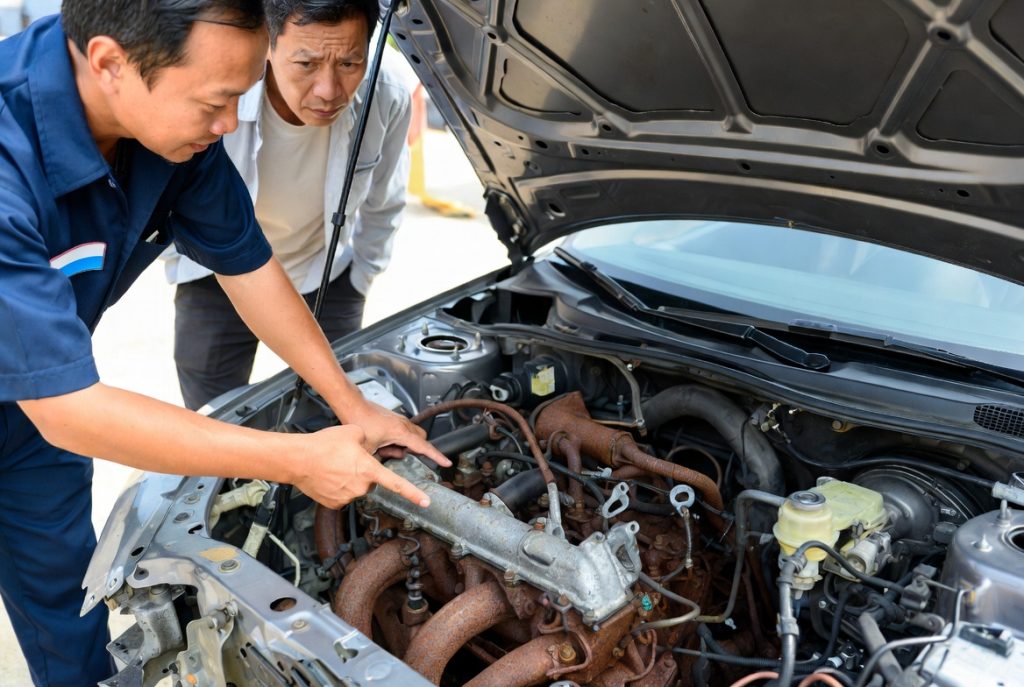
- Look at the fuse box (usually under the dash or hood). White powder residue or corrosion on the fuse terminals is a direct indicator of water intrusion.
None of these are definitive alone. But two or three failing together is a strong signal.
Title Checks That Take 5 Minutes
Title laundering is the real problem. A flood-totaled car in Florida gets a salvage title. Someone buys it, ships it to Georgia, has it “repaired,” and applies for a rebuilt title. Then it gets sold to a dealer in Tennessee who may not know — or may not ask.
Your two tools:
- NMVTIS (vehiclehistory.gov) — Free. Government-maintained. Pulls title data from all 50 states. If a flood brand was applied anywhere in the vehicle’s history, it shows here. Carfax sometimes lags on out-of-state brands. NMVTIS is often more current for this specific issue.
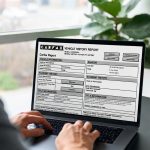
- Carfax or AutoCheck — Paid. More detailed service history. Cross-reference with NMVTIS; they sometimes have different event data.
Run both. The VIN is on the dashboard (visible through the windshield at the driver’s side base) and on the door jamb sticker. You can pull a free NMVTIS report in under five minutes before you’ve even talked to a salesperson.
When to Walk Away
Walk away immediately if:
- NMVTIS or Carfax shows a flood or salvage brand at any point in the title chain.
- The seller can’t produce a clean title for inspection or is evasive about vehicle history.
- Two or more electronics tests fail during your lot inspection.
- You smell mold or see consistent waterlines inside the vehicle.
Flood vehicles aren’t always dangerous — some are repaired well. But the insurance implications are significant. Many carriers won’t write comprehensive coverage on a flood-branded vehicle, or will do so only at reduced ACV. A car that’s hard to insure is hard to protect — and hard to sell when you’re done with it.
The inspection costs you 15 minutes. Skipping it can cost you thousands in repairs and lost resale value.
Next step: Before your next used-car lot visit, pull up vehiclehistory.gov on your phone so you’re ready to run a free NMVTIS check with the VIN. Get a same-day quote that works for your situation →
Last modified: April 29, 2026
About the Author: Casey Rivera