
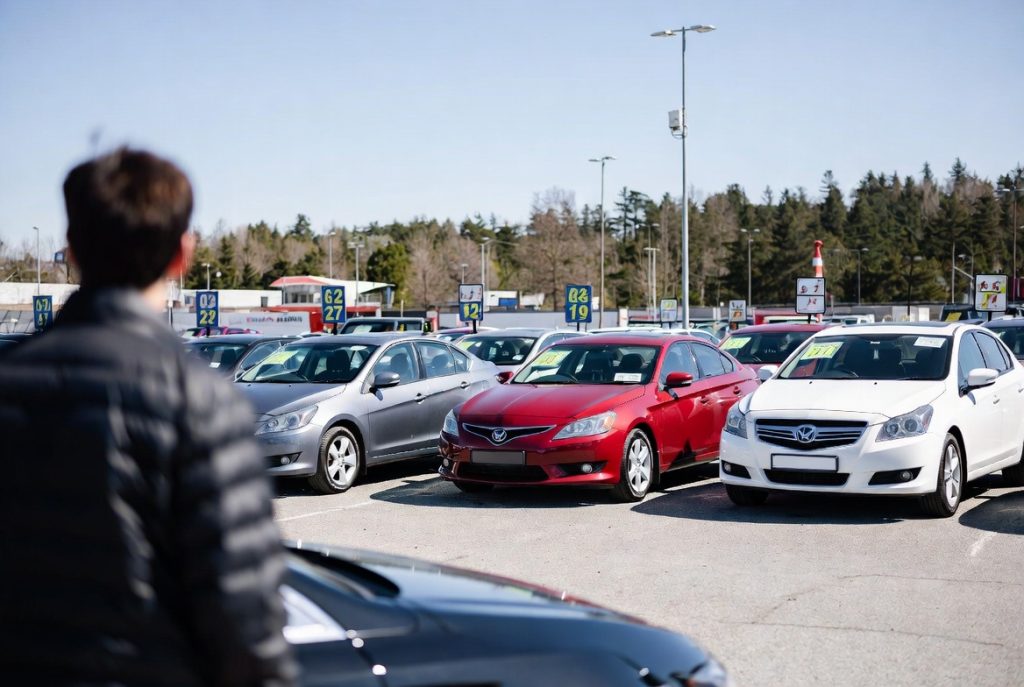
Sticker price and insurance price don’t track. A car can cost $24,000 and run you $180 a month to insure. Another costs $28,000 and runs $95. Knowing the difference before you buy saves you real money every month for years.
Here’s how the list gets made — and which cars made it in 2026.
How “Cheap to Insure” Is Calculated
Insurers price your premium based on risk. The vehicle itself is a big part of that math. They look at:
- Claim frequency — how often drivers of that model file claims.
- Claim severity — how much those claims cost to settle.
- Theft rates — how often the model is stolen.
- Repair costs — how expensive parts and labor are for that model.
- Safety ratings — good crash test scores reduce injury claim costs.
The Highway Loss Data Institute (HLDI) publishes loss data by model every year. Insurers use this data — plus their own books — to set base rates by vehicle. Two identical drivers with identical histories can pay very different premiums just because of the car they chose.
The 10-Car List
These models consistently show low loss data and affordable insurance rates in 2026. Prices are approximate annual premiums for a full-coverage policy on a driver with a clean record.
- Honda CR-V — Low theft rates, widely available parts, strong safety scores. Roughly $1,300–$1,500/year.
- Subaru Forester — One of the lowest claim severity scores among compact SUVs. Around $1,250–$1,450/year.
- Mazda CX-5 — Excellent structural safety, low repair costs. Around $1,200–$1,400/year.
- Ford Escape — Common parts, moderate theft rate, affordable labor. Around $1,300–$1,500/year.
- Toyota RAV4 — Reliable resale holds ACV up, keeps gap exposure low. Around $1,350–$1,550/year.
- Honda Pilot — Three-row family SUV that surprises people with low rates. Around $1,400–$1,600/year.
- Subaru Outback — Crossover body style, station wagon claim profile. Around $1,200–$1,450/year.
- Toyota Highlander — Higher sticker, but low injury claims keep full-coverage rates reasonable. Around $1,400–$1,600/year.
- Hyundai Tucson — Improved theft data after 2023 security upgrades. Around $1,300–$1,550/year.
- Mazda3 Sedan — Compact sleeper pick. Low claim frequency, low repair costs. Around $1,100–$1,300/year.
Honorable Mentions
A few vehicles worth knowing about:
- Honda Odyssey — Minivans are statistically the safest, cheapest segment to insure. Drivers are older, cautious, and rarely speeding.
- Subaru Legacy — Sedan version of the Outback. Rates are similar, sometimes lower.
- Toyota Sienna — Second minivan on the honorable-mention list for the same reasons as the Odyssey.
Cars to Avoid If Cost Is the Driver
High-performance vehicles, luxury brands, and models with high theft rates push premiums up fast. Current high-cost segments include:
- Sports cars and muscle cars (high claim frequency, high repair cost)
- Hyundai Elantra and Kia Forte model years 2015–2021 (high theft rate from keyless-start vulnerability)
- High-trim pickup trucks (expensive to repair, high ACV means higher comprehensive/collision cost)
- Any EV with proprietary battery repair requirements (repair costs are still elevated at most carriers)
None of these are bad cars. They just cost more to insure, and if you’re budget-shopping, that monthly difference compounds over a three- or five-year loan.
The smart move: get an insurance quote on the specific year, make, model, and trim before you sign anything at the dealership. Quotes are free and take ten minutes. The difference between two similar vehicles can be $600–$1,200 a year.
Next step: Pull a quote on the specific car you’re considering before you finalize the deal. Get a same-day quote that works for your situation →
Last modified: April 22, 2026
About the Author: Casey Rivera